

'/%3E%3C/svg%3E)

Eugène Delacroix
1798 (France) - 1863 (France)
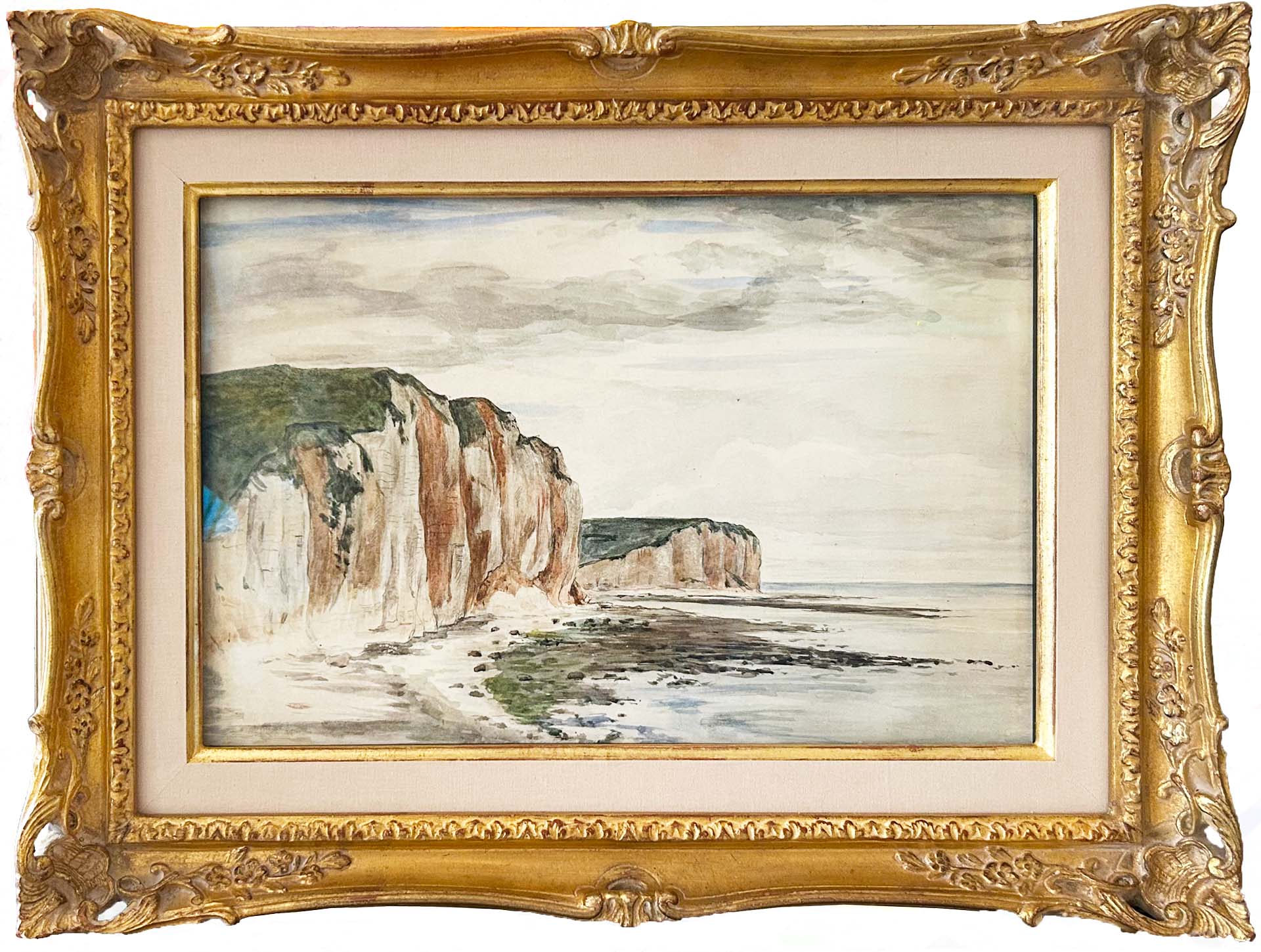
Biography
Eugène Delacroix, a leading figure of French Romanticism, left a profound mark on the history of painting through his mastery of colour, his taste for the exotic and his aesthetic commitment.
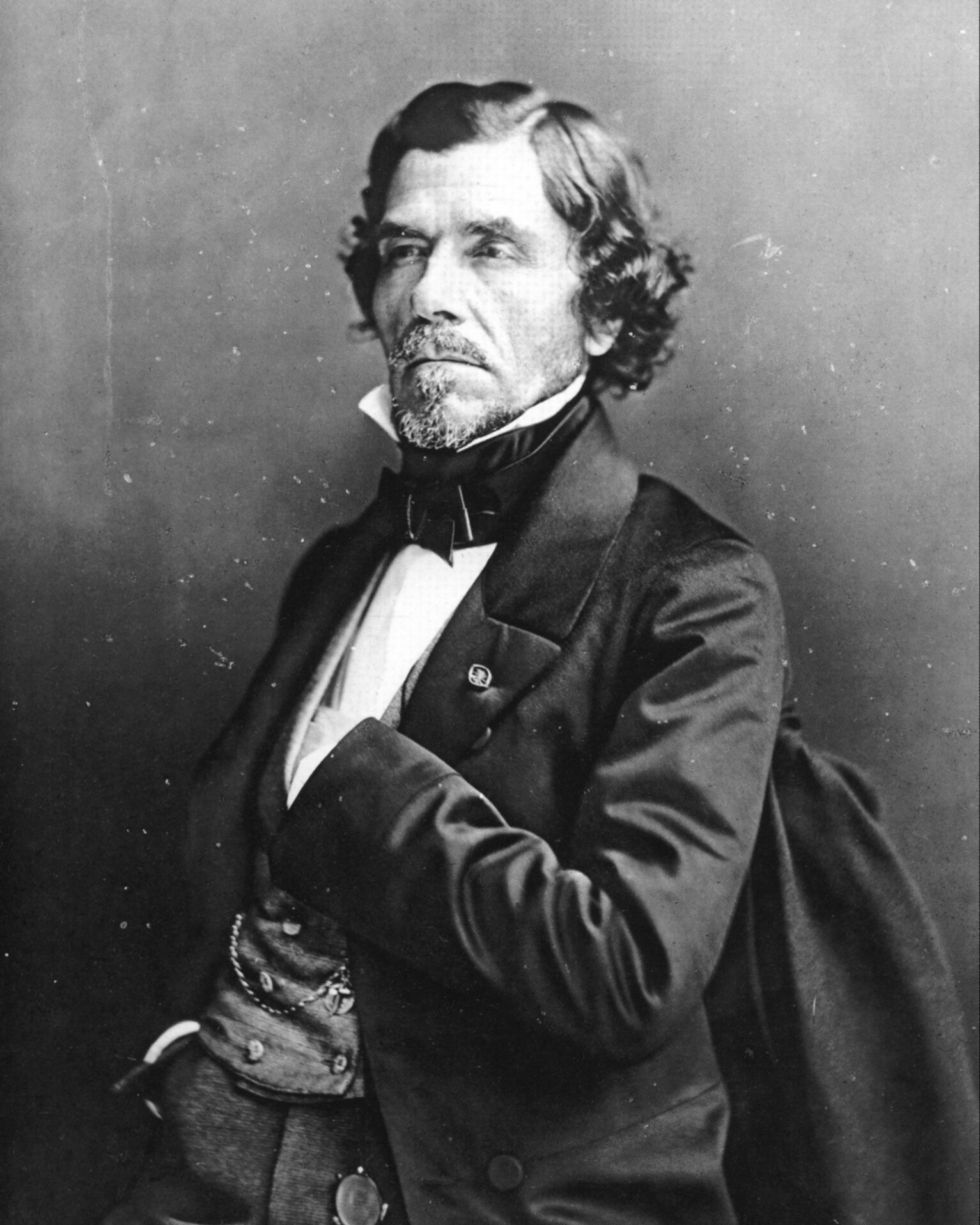
Early life and education
Ferdinand-Victor Eugène Delacroix was born on 26 April 1798 in Charenton-Saint-Maurice (now Charenton-le-Pont, Île-de-France). Born into a bourgeois family (his father, Charles-François Delacroix, had served as a minister under the Directory), he lost his father in 1805–1806 and moved to Paris with his mother and sister Henriette. He received a classical education — Latin, Greek, and the study of the great authors — at the Lycée Impérial (now the Lycée Louis-le-Grand) between 1806 and 1815. His sketchbooks already reveal a strong inclination towards drawing and the observation of nature. In 1815, he joined Pierre-Narcisse Guérin’s studio, where he rubbed shoulders with artists such as Théodore Géricault, before exploring lithography, watercolour sketches and the influence of the old masters.
Early career and first notable works
Delacroix exhibited for the first time at the Official Salon in 1822 with *Dante’s Boat* (or *Dante and Virgil in Hell*). The acquisition of this work by the State marked a swift recognition of his talent. In 1824, he presented *Scenes from the Massacres at Chios*, inspired by a contemporary episode in the Greek War of Independence, already affirming his interest in dramatic historical subjects. In 1830, he produced the famous work *Liberty Leading the People*, which became a symbol of Romanticism and artistic commitment.
Artistic peak and formative journeys
A key moment in his career was his 1832 journey to North Africa, specifically Morocco and Algeria. This experience opened up new aesthetic, chromatic and thematic horizons for him, providing lasting inspiration for his colour palette and his ‘Orientalist’ subjects.
He also received major official commissions: for example, the decoration of the ceiling and walls of the King’s Salon at the Palais Bourbon (now the National Assembly) in 1833. In the years that followed, Delacroix worked on major decorative cycles (the library of the National Assembly, the Chapel of the Holy Angels at the Church of Saint-Sulpice) whilst continuing to produce a prolific body of personal work.
Later years and legacy
From 1857 onwards, Delacroix moved to 6 Rue de Furstemberg in Paris, to the studio where he would work until his death on 13 August 1863. Although weakened by tuberculosis, he remained active and continued to paint, to keep his diary (which would become a valuable historical record) and to influence younger generations of artists. His work left a profound mark on the history of painting: he is regarded as the leading figure of Romanticism in France, and his use of colour, light and movement would go on to influence later artists such as Vincent van Gogh, Henri Matisse and Paul Cézanne.