


Henry Moore
1898 (Royaume-Uni) - 1986 (Royaume-Uni)
Biography
Through the refined power of his organic forms, Henry Moore presents a monumental sculptural vision in which the human body, nature, and space interact in a profoundly modern balance.
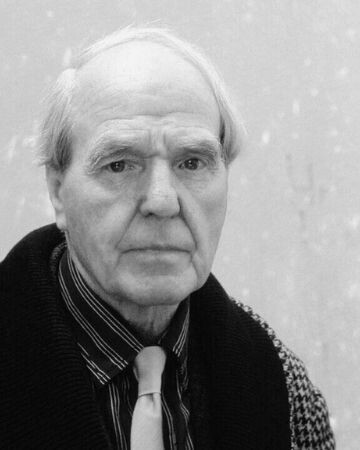
Henry Moore (1898–1986) is considered one of the greatest sculptors of the 20th century. Known for his monumental bronze works with soft, organic forms, he had a profound impact on modern art through his ability to blend the legacy of ancient civilizations with a resolutely contemporary aesthetic. Born in Castleford, Yorkshire (England), Henry Moore showed an interest in sculpture at a very early age, encouraged by his teachers. After serving in World War I, he received a scholarship to study at the Royal College of Art in London. There, he discovered pre-Columbian art, African art, and archaic sculptures, which would have a lasting influence on his artistic language. Moore quickly established himself as a singular figure on the British art scene. In the 1930s, he moved away from academic figuration to explore abstract forms inspired by nature, the human body—particularly the female form—and the relationship between void and matter. These elements would become the foundations of his work.
Moore is distinguished by a tactile and intuitive approach to sculpture. He favors raw materials—stone, wood, and later bronze—and creates works that are both powerful and meditative. His curved, perforated forms, often evoking elongated silhouettes or protective maternal figures, are emblematic of his style. His sculptures are never self-contained; they interact with space, light, and the landscape.
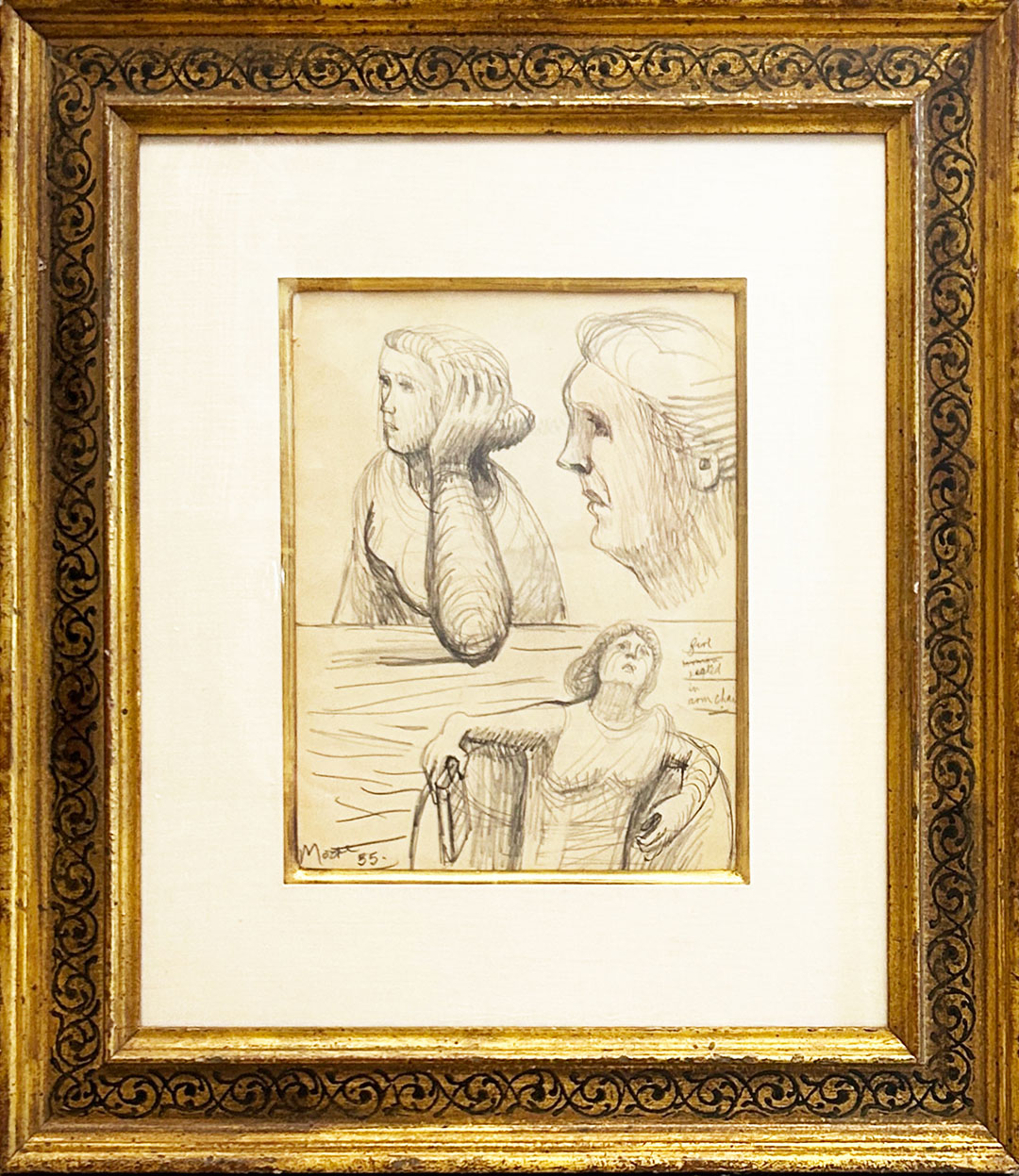
This attention to context makes Moore a master of integrating art into public spaces. His works can be found in parks, museums, and prestigious institutions around the world—from the Tate Gallery to the Henry Moore Foundation, and the gardens of UNESCO headquarters in Paris. Henry Moore gained international recognition as early as the 1940s. Commissioned by the British government to document air-raid shelters during the Blitz, he produced deeply moving drawings that contributed to his fame. After the war, he received numerous public commissions and became a symbol of Europe’s cultural resilience. His style, rooted in the history of sculpture yet open to diverse influences, makes him a universal artist. Deeply humanistic, his work transcends aesthetic and cultural boundaries.
The Galerie Hurtebize pays tribute to a sculptor whose formal exploration is rooted in a profound reflection on the human condition and the relationship to the body and nature. By adding him to our collection of modern masters, we affirm our commitment to offering our collectors unique pieces of enduring artistic value that are recognized on the international market.